China mum on sacked minister’s whereabouts
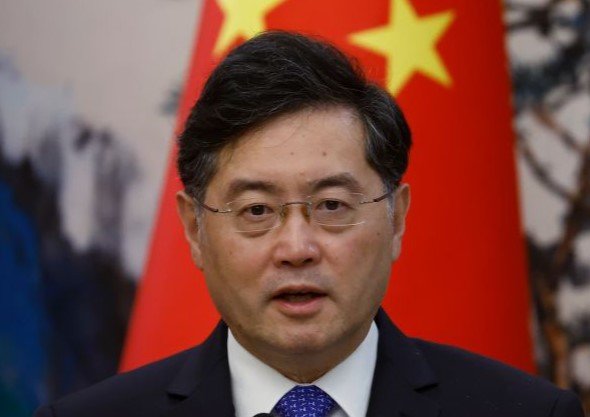
China’s foreign ministry declined to comment on Wednesday on the abrupt sacking of senior diplomat Qin Gang, while scrubbing mentions of him from a government website.
Qin, who has not been seen in public for more than a month, was removed from office by Beijing’s top lawmaking body on Tuesday after just 207 days in the job.
That followed weeks of speculation that the former Chinese ambassador to the United States and one-time confidant of President Xi Jinping had suddenly fallen out of favour.
Asked about his removal at a regular briefing, spokeswoman Mao Ning referred journalists to a Xinhua article and declined to offer any further information.
“Xinhua has already published information. You can refer to that,” Mao said.
Pressed repeatedly by journalists to provide more details on Qin’s fate, Mao said decisions made Tuesday by China’s top lawmaking body and the president were “very clear”.
“I suggest you all refer to that. I don’t have any additional information,” she said.
Any reference to the 57-year-old had been removed from the website of China’s foreign ministry by Wednesday morning.
A search for his name yielded no results and previous articles about his diplomatic appearances showed a message saying the page “does not exist or has been deleted”.

But his name did appear on other Chinese government websites, including the State Council, the Ministry of Commerce and state media outlets.
Asked about his disappearance from the foreign ministry website, Mao said: “Information on the website of the Ministry of Foreign Affairs is updated according to relevant management regulations.”
The foreign ministry had for weeks refused to give any updates on Qin despite repeated questioning, after previously saying “health reasons” were to blame for his absence.
State media gave no reason for his dismissal but one expert said the “digital erasure” of Qin suggested he had fallen from grace.
“If he were a comrade in good standing who had fallen ill I am not sure that would be happening,” China analyst Bill Bishop wrote in his Sinocism newsletter.