
Lack of Proper Planning, Budget and Ownership Reasons for Abandoned Projects – Lawmakers
The National Assembly members on Thursday blamed the lack of proper planning, utilization and budget as the main reasons why many lawmakers abandoned projects in their constituency.
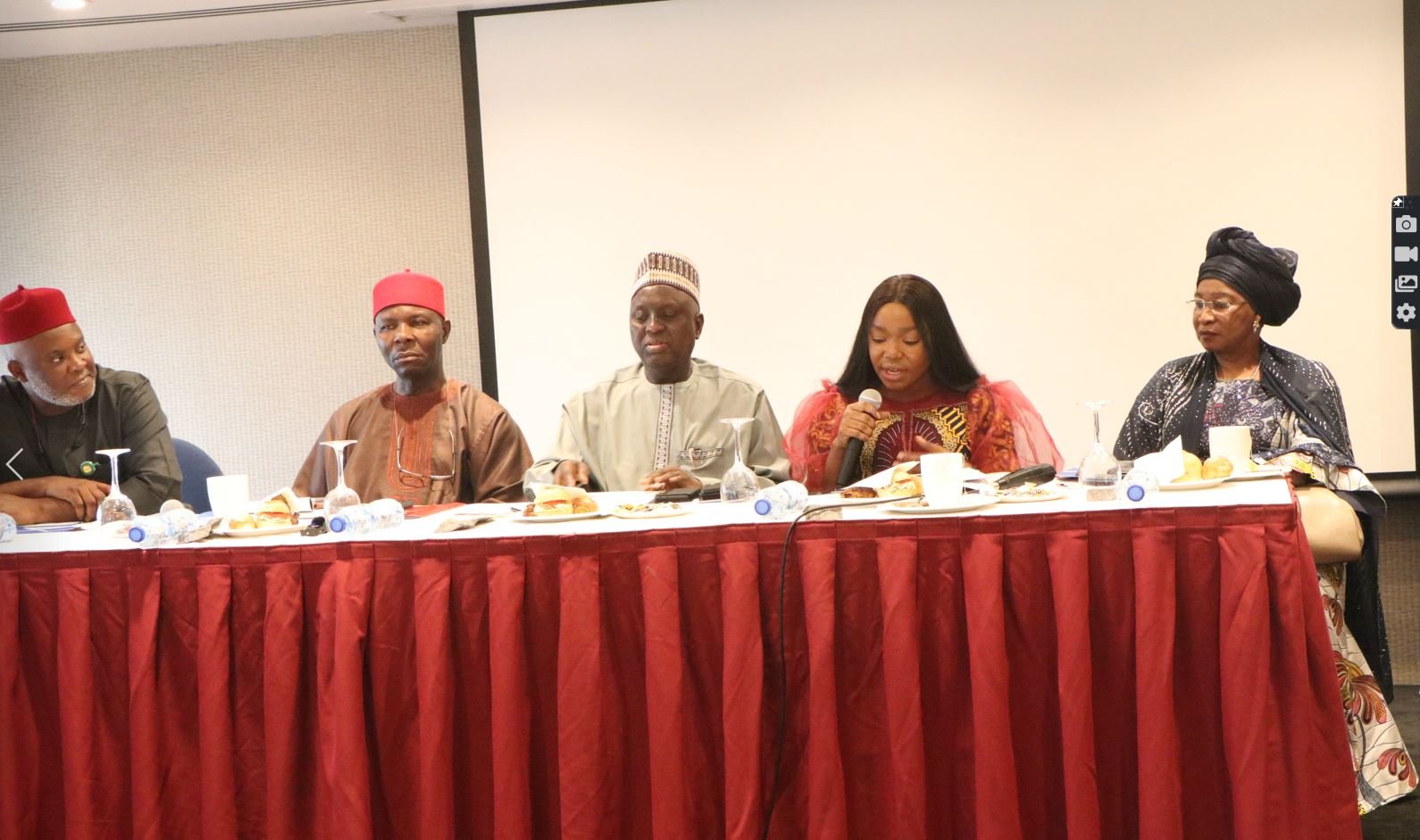
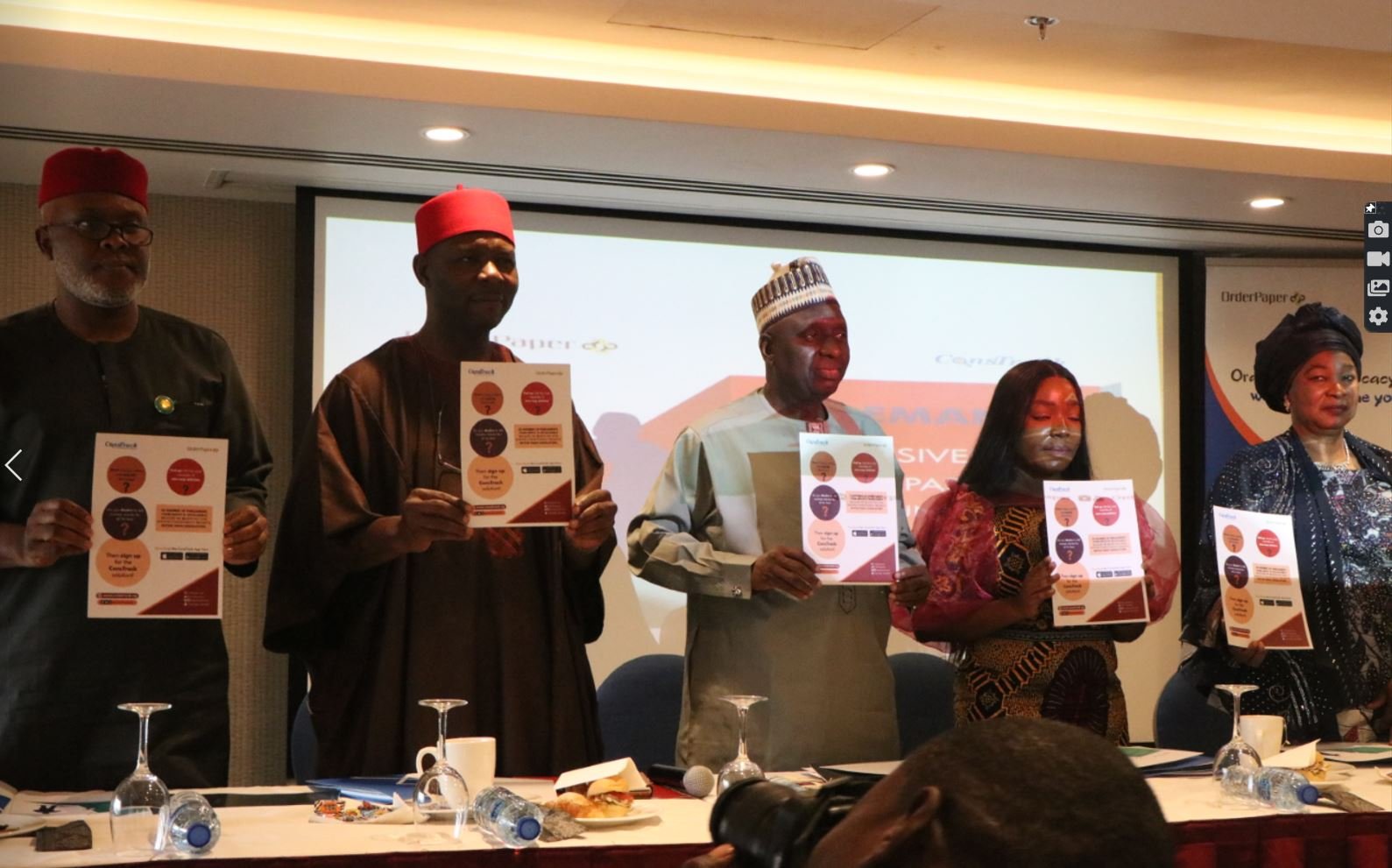
They spoke on Thursday at a policy dialogue on constituency projects and the 2023 electioneering campaign. The discourse was organized by the Order Paper in partnership with BudgIT, with support from the MacArthur Foundation.
The Senator representing Kwara Central Senatorial District Ibrahim Oloriegbe said the creation of a new law would not put an end to the challenge of continuous neglect of constituency projects in the country.
Oloriegbe said the vital solutions would be to ensure resources are sufficiently made available for the projects, for the respective lawmakers to partner with the relevant agencies, including the Budget Office of the Federation and for the host community to take ownership of the projects.
He identified the health sector as the most affected stressing that many lawmakers were not aware of the needs of their people and often carried out projects without the participation of the local or state government, thus resulting in ownership conflicts and then abandonment.
Also lamenting his voice on the matter, the Senator representing Enugu North Senatorial District, Chukwuka Utazi, noted that the Senate is trying to reduce the number of abandoned projects as it concerns the health sector.
He revealed his office made a list of abandoned constituency projects, including PHCs in the country and made it available to all lawmakers. He added that lawmakers were encouraged to pick up these projects and complete them for their wards.
In his remark’s lawmaker representing Mbaitoli Ikeuduro federal constituency Imo state, Rt. Hon Henry Nwawuba said to make things more efficient and to reduce corruption in the government. He called for collaboration with the Independent Corrupt Practices Commission (ICPC) and other anti-graft agencies to work together and reduce crime in society.
Also speaking, during the event, a legislative expert Chibuzor Okereke stressed the need for the budget office to take into account constituency projects carried out around the country.
In his remarks, the Deputy Director of MacArthur Foundation, Africa office, Dayo Olaide, said the significance of any law is not in the paper but instead is an impact that will improve the lives of ordinary Nigerians.

Dayo said that between1999 to and 2018, the federal government has budgeted Sixty-three Trillion Naira and at the same time, the number of out-of-school children rose from ten points five to eighteen million. He charged the lawmakers to make laws that the ordinary Nigerians will benefit from.
In his remarks, the Senior program officer of BudgiT foundation, Adewole Adejola said BudgiT focus on zonal intervention projects. He lamented that some legislators connived with their friends in different agencies.
He said a department called Tracka in BudgiT observed that many people are dying in the area while many people in the grassroots lack the presence of government, which they have a representative to represent the people in the government.
He called the attention of the lawmakers to be truthful to the people they are representing.
Present at the event were lawmakers, Civil society organizations, academia and journalists among others.