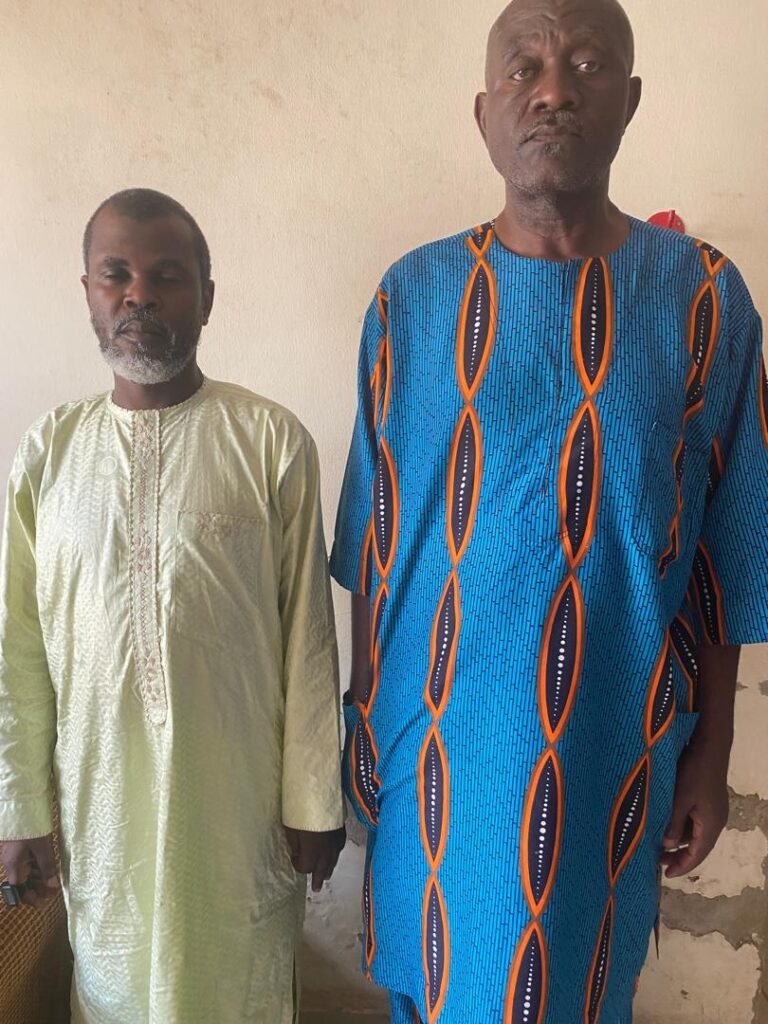

Abdulaziz Kaka: A Beacon of Hope for Nigeria’s Younger Generations
In an era where youth disillusionment runs high amid economic challenges and social divides, figures like Abdulazeez Abubakar Kaka stand out as genuine catalysts for change. As a youth advocate, entrepreneur, and prominent member of Nigeria’s All Progressives Congress (APC), Kaka has dedicated his career to uplifting the next generation, particularly in Kaduna State and beyond. His mantra, “Kowa Namu Ne” – a Hausa phrase translating to “Everyone is Ours” – encapsulates his inclusive philosophy, emphasizing that no one should be left behind. Through his foundation and community initiatives, Kaka has not only fostered tangible skills and opportunities but has profoundly boosted self-esteem among young people, proving that empowerment is key to building resilient communities.
Kaka’s journey as a beacon of hope begins with his deep-rooted commitment to youth development. Born and raised in Nigeria, he has leveraged his positions in politics and advocacy to address the barriers facing young Nigerians, such as unemployment, lack of education, and limited access to resources. As the leader of the Kowa Namu Ne Foundation, he has spearheaded programs that equip youths with vocational skills, ranging from CCTV installation and bead-making to advanced training in technology and entrepreneurship. These initiatives go beyond mere job placement; they instill a sense of purpose and capability. For instance, in recent cohorts of his skills acquisition program, hundreds of young participants have graduated with practical abilities that directly combat unemployment, sparking entrepreneurship and reducing dependency on scarce formal jobs. By focusing on grassroots empowerment, Kaka demonstrates that leadership is about creating opportunities where none existed, inspiring younger generations to envision brighter futures.
One of Kaka’s most impactful contributions lies in his efforts to secure life-changing opportunities for youths, which directly enhances their self-esteem. In a country where connections often dictate success, Kaka has used his influence to help secure jobs in institutions like the NDIC, NYSC, HAJJCOMM, and FIRS for talented individuals from non-elite backgrounds. He has also facilitated fully funded scholarships, such as Master’s programs abroad for constituents from Kaduna North, enabling young people to pursue higher education and return as community leaders. These acts aren’t just charitable; they affirm the value of every individual, countering the narrative that success is reserved for the privileged. Recipients often express profound gratitude, noting how such support restores their confidence and motivates them to pay it forward. As observers have noted, Kaka’s approach “empowers youth with vital vocational skills, reducing unemployment and sparking entrepreneurship,” turning potential despair into actionable hope.
At the heart of Kaka’s influence is the “Kowa Namu Ne” ethos, which directly addresses self-esteem by promoting inclusivity and belonging. In communities plagued by division, his foundation’s programs – from free JAMB registrations to distributing educational materials like exercise books and textbooks – ensure that even the most marginalized feel seen and valued. This slogan isn’t mere rhetoric; it’s embodied in actions like empowering young people with tools for their trades, such as laptops for tech aspirants or clippers for budding barbers, fostering self-reliance and pride. By celebrating collective victories and prioritizing youth in governance, Kaka combats low self-esteem stemming from systemic exclusion. His work in Kaduna North has positioned him as a “champion of youth,” where he listens, engages, and delivers, building trust and proving that young voices matter. This inclusive model resonates especially with younger generations, who see in him a leader who treats their struggles as personal missions, reinforcing that they are integral to Nigeria’s progress.
Kaka’s broader community impacts further solidify his role as a hope-giver. From collaborating with stakeholders on infrastructure projects to promoting unity within the APC, he fosters sustainable development. His foundation’s initiatives, including Islamic school programs that emphasize moral and educational growth, and empowerment events distributing resources to thousands, directly improve lives in areas like Kaduna and surrounding regions. These efforts extend to national aspirations, highlighting his progressive ideals. For younger Nigerians, Kaka represents the possibility of ethical, impactful leadership – one that prioritizes people over politics.

In conclusion, Abdulaziz Kaka is more than a politician; he is a symbol of hope for Nigeria’s youth. Through “Kowa Namu Ne,” he has transformed communities by boosting self-esteem via empowerment, inclusion, and opportunity. His legacy teaches that true progress comes from lifting others, inspiring the next generation to believe in themselves and their potential to shape a united, prosperous nation. As Nigeria navigates its challenges, leaders like Kaka remind us that hope is not abstract – it’s built through action, one empowered youth at a time.
Isah Abdulrahman writes from Abuja, Nigeria