
BBC Boss Quits Over Boris Johnson Loan
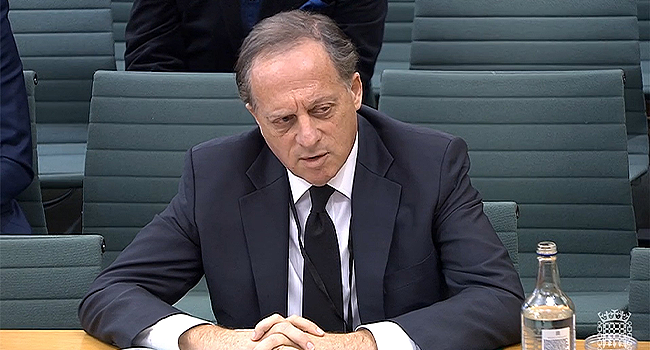
The BBC’s chairman on Friday announced his resignation after his involvement in a loan for then-UK prime minister Boris Johnson raised questions about the broadcaster’s vaunted impartiality.
Britain’s Conservative government has long been accused of seeking to muzzle the publicly funded BBC, and Johnson’s appointment of Richard Sharp — a wealthy past donor to the party — was denounced by opposition parties at the time.
It only emerged later that Sharp — formerly a boss of current Prime Minister Rishi Sunak at investment bank Goldman Sachs — had acted as go-between to facilitate the £800,000 ($1 million) loan for Johnson.
Sharp denied any wrongdoing but resigned after the publication of an independent inquiry into his appointment.
He said he was stepping down to avoid becoming “a distraction from the Corporation’s good work”.
However, Sharp’s close past ties to the Conservatives had already served as a distracting controversy for both the broadcaster and the government.
Last month, those ties were angrily raised by critics when the BBC suspended former England star Gary Lineker from its flagship football highlights show.
Lineker, on Twitter, had accused the Sunak government of using Nazi-era rhetoric in promoting its hardline immigration policies.

Lineker was hurriedly reinstated by the Sharp-led board after other presenters refused to work, throwing the BBC’s sports schedule across TV and radio into chaos.
Culture Secretary Lucy Frazer thanked Sharp for his service, as the government began the delicate hunt for a successor to one of Britain’s highest-profile roles when he leaves at the end of June.
Sunak has already had to find a new deputy prime minister after Dominic Raab was forced out last Friday, after another inquiry found him guilty of bullying civil servants.
Lineker waded in anew to argue the government should not get to choose the BBC chair. “Not now, not ever,” he tweeted.
But Sunak refused to rule out another political appointee, telling reporters that he would not “prejudge” the recruitment process and that he was “focused on delivering for the British people”.